For decades, car safety was defined by seat belts, airbags, and crumple zones. But in today’s world, safety is about intelligence. Advanced Driver Assistance Systems (ADAS) are no longer futuristic luxuries—they are becoming standard features in vehicles worldwide.
From helping drivers avoid collisions to enabling fully autonomous cars, ADAS technology is transforming mobility. But what does the future look like? Let’s dive into how ADAS is set to revolutionize driving in the years to come.
ADAS Today: A Quick Recap
Before looking ahead, let’s understand where we are now.
Current ADAS features include:
- Lane Departure Warning & Lane-Keeping Assist
- Adaptive Cruise Control
- Blind Spot Detection
- Automatic Emergency Braking
- Traffic Sign Recognition
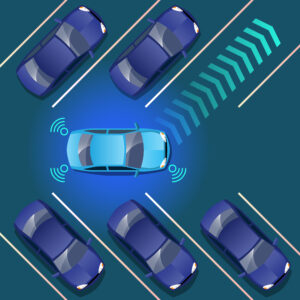
- Parking Assistance
These technologies already reduce accidents significantly. According to the IIHS (Insurance Institute for Highway Safety), automatic emergency braking alone has reduced rear-end collisions by nearly 50%.
But this is just the beginning.
Next-Generation ADAS: What’s Coming
1. AI-Powered ADAS
Artificial intelligence will make ADAS smarter by learning driver behavior and predicting hazards before they occur. For example:
- Identifying distracted or drowsy driving.
- Recognizing unusual patterns from other vehicles on the road.
- Adapting sensitivity based on driving style.
2. V2X Communication (Vehicle-to-Everything)
Future ADAS won’t just rely on cameras and sensors. Vehicles will communicate with each other and with road infrastructure. This means:
- Cars warning each other of sudden braking.
- Real-time updates from traffic lights, roadwork, or emergency vehicles.
- Smoother traffic flow and fewer accidents.
3. 360° Awareness and Enhanced Sensor Fusion
Upcoming systems will combine data from cameras, LiDAR, radar, and ultrasonic sensors for near-perfect situational awareness. No blind spots, no guesswork.
4. Augmented Reality (AR) Dashboards
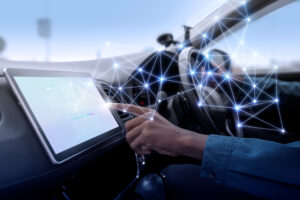
Instead of relying on warning sounds and small icons, AR will project information directly onto the windshield. Drivers will see lane guidance, obstacle alerts, and navigation instructions seamlessly integrated with the real-world view.
5. Driver Monitoring Systems
Beyond monitoring the road, cars will monitor drivers—detecting fatigue, distraction, or even health issues (like a sudden loss of consciousness).
6. OTA (Over-the-Air) Updates
Much like smartphones, vehicles will regularly update ADAS software remotely. This ensures systems are always up to date without needing a service visit.
ADAS and Autonomous Vehicles: A Stepping Stone
ADAS is not the end goal—it’s the bridge to autonomous driving.
The path is often described in 5 levels of automation:
- Level 1–2: Partial automation (what we see today).
- Level 3: Conditional automation—cars can drive themselves in some conditions but require human supervision.
- Level 4: High automation—cars handle most conditions without driver input.
- Level 5: Full automation—completely driverless vehicles.
ADAS forms the foundation of each stage. As systems grow more reliable and interconnected, fully self-driving cars will become a reality.
Challenges Ahead
The future is exciting, but not without obstacles:
- Calibration Needs: Even futuristic systems will require regular recalibration for accuracy.
- Cybersecurity Risks: Connected vehicles could face hacking threats, requiring advanced protection.
- Cost: Sophisticated ADAS features can make vehicles more expensive.
- Driver Overreliance: Drivers may become too dependent on assistance, forgetting they must remain alert.
Manufacturers and regulators will need to address these issues to ensure safety and accessibility.
Benefits of Future ADAS
Despite challenges, the benefits are undeniable:
- Fewer Accidents: Safer roads through predictive and proactive safety features.
- Traffic Efficiency: Smarter systems reduce congestion and fuel consumption.
- Inclusivity: Helping elderly or disabled drivers maintain independence.
- Greener Mobility: Optimized driving reduces emissions, contributing to sustainable transport.
What It Means for You as a Driver
For everyday drivers, the future of ADAS means:
- More confidence on the road.
- Lower insurance costs as accidents decrease.
- Better resale value for vehicles equipped with advanced safety tech.
- Peace of mind knowing your car is actively working to protect you.
But it also means staying informed and ensuring systems are regularly maintained and calibrated.
Conclusion
The road ahead is clear: ADAS is not just a supporting technology—it’s the driving force behind the future of mobility.
From AI-powered safety to self-driving capabilities, these systems will save lives, reduce accidents, and transform how we think about cars. But even the most advanced technology is only as good as its calibration and upkeep.
At Majster ADAS Calibrations, we’re proud to be part of this future by ensuring today’s safety systems work flawlessly. Because tomorrow’s autonomous future starts with precise calibration today.