Windshields have always been critical to a car’s safety, providing structural integrity and protecting passengers from debris. But in today’s vehicles, windshields play another vital role: they serve as mounting points for cameras and sensors that power ADAS (Advanced Driver Assistance Systems).
That means every time a windshield is replaced, your car’s ADAS systems—such as lane-keeping assist, forward collision warning, and adaptive cruise control—are at risk of misalignment. Without recalibration, these features may not work properly, putting you and others in danger.
In this article, we’ll break down why ADAS calibration is essential after a windshield replacement, the risks of skipping it, and how Majster ADAS makes the process convenient with our mobile services.
The Role of Windshields in ADAS
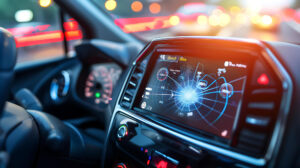
Most modern vehicles have cameras and sensors installed directly behind the windshield, usually near the rearview mirror. These devices act as the “eyes” of your ADAS systems, scanning the road to detect lane markings, vehicles, pedestrians, and other objects.
When a windshield is replaced—even with a small shift of a few millimeters—the angle or position of these cameras changes. That slight difference may cause your vehicle to:
- Misinterpret lane lines.
- Fail to detect vehicles or obstacles.
- Trigger false warnings or alarms.
- Delay or fail to engage automatic braking.
Simply put, replacing the glass without calibration is like putting on a pair of prescription glasses with the wrong lenses—you’ll see, but not correctly.
Why Calibration is Mandatory After Windshield Replacement
Calibration ensures that ADAS cameras and sensors are aligned according to the vehicle manufacturer’s factory specifications. Without it, your car’s safety systems may not function properly, and in many cases, you won’t even notice until it’s too late.
Some key reasons why calibration is required:
- OEM Standards – Car manufacturers require calibration whenever the windshield is replaced.
- Insurance Compliance – Many insurance companies won’t cover the replacement unless calibration is documented.
- Safety First – Misaligned systems increase the risk of accidents.
- Legal Liability – In the event of an accident, proof of proper calibration protects both drivers and repair shops.
When Does Your Vehicle Need ADAS Calibration?
After a windshield replacement, calibration is always necessary. But you should also consider it if your car has experienced:
- Collision damage.
- Suspension or alignment work.
- Replacement of cameras or ADAS sensors.
- Bumper repairs or replacements.
- Any structural repair that could shift sensor placement.
Static vs. Dynamic Calibration After Windshield Replacement
There are two common types of calibration your vehicle may require:
- Static Calibration: Performed in a controlled environment with the vehicle stationary, using specialized targets and equipment.
- Dynamic Calibration: Requires driving the vehicle at specific speeds while connected to specialized diagnostic equipment.
Depending on your vehicle’s make and model, it may need one or both methods.
The Risks of Skipping ADAS Calibration
Some drivers assume that if the car “seems fine” after a windshield replacement, calibration isn’t necessary. Unfortunately, ADAS issues are often invisible until an emergency occurs.
Possible risks include:
- Lane departure warning failing to activate.
- Adaptive cruise control misjudging safe following distances.
- Collision avoidance braking too late (or not at all).
- Blind spot monitoring failing to detect vehicles.
These aren’t minor inconveniences—they’re potential life-threatening failures.
How Majster ADAS Makes Calibration Easy
At Majster ADAS Calibrations, we make the process seamless and stress-free. Here’s how we help after your windshield replacement:
- Mobile Service: We come directly to your home, auto body shop, or dealership.
- Factory-Standard Accuracy: We use the latest OEM tools and procedures.
- Comprehensive Documentation: Every calibration comes with detailed reports for your records and insurance.
- Fast Turnaround: Most calibrations are completed in 1–2 hours.
- Trusted Expertise: With years of hands-on experience, we ensure your systems are restored exactly to factory standards.
The Benefits of Choosing Mobile Calibration
Unlike traditional calibration centers that require you to bring your car in and wait, our mobile service offers unmatched convenience:
- No towing required if the car isn’t road-ready.
- Reduced downtime for shops and dealerships.
- Service delivered right at your driveway or repair bay.
- Flexible scheduling that fits your timeline.
Frequently Asked Questions (Windshield & ADAS)
Q: Can’t I just replace the windshield without calibration?
A: No. Modern vehicles require calibration after windshield replacement to ensure safety systems function properly.
Q: How long does calibration take after windshield replacement?
A: Typically 1–2 hours, depending on the vehicle and systems involved.
Q: What happens if calibration isn’t done?
A: Your safety features may not work correctly, increasing the risk of accidents.
Q: Will my insurance cover the cost of calibration?
A: In most cases, yes—especially when paired with windshield replacement. Always check with your insurer.
Conclusion
A windshield replacement is no longer a simple glass swap—it’s a safety-critical repair that directly impacts your car’s ADAS systems. Without calibration, your vehicle may not provide the protection it was designed to offer.
At Majster ADAS Calibrations, we ensure your safety features are always restored to OEM standards with precision, convenience, and care. Whether you’re a driver, body shop, or dealership, our mobile service delivers peace of mind right where you need it.
Don’t take chances after a windshield replacement—choose calibration done right, every time.