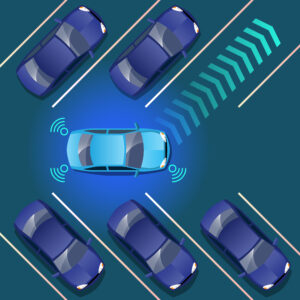
Driving today is far safer than it was just a decade ago, thanks to technology. At the heart of this revolution is ADAS (Advanced Driver Assistance Systems), a group of electronic features designed to prevent accidents, minimize human error, and provide drivers with extra support behind the wheel.
While vehicles may come with dozens of ADAS features, a few stand out as true game-changers. In this blog, we’ll discuss the Top 5 ADAS features that are actively reducing collisions and saving lives on the road.
1. Lane Departure Warning (LDW) & Lane Keeping Assist (LKA)
How it works:
- Cameras monitor road markings.
- If your car drifts out of its lane without signaling, the system issues a warning.
- Lane Keeping Assist can go a step further by gently steering your car back into its lane.
Why it matters:
Lane drifting is one of the leading causes of highway accidents. Fatigue, distraction, or momentary inattention can lead to devastating crashes. With LDW and LKA, your car becomes an extra set of eyes, keeping you on track.
Real-life benefit:
If a driver dozes off during a long drive, this system can alert them instantly, preventing a serious head-on or side collision.
2. Forward Collision Warning (FCW) & Automatic Emergency Braking (AEB)
How it works:
- Sensors and cameras detect vehicles ahead.
- If you’re approaching too quickly, the system warns you.
- If you don’t react in time, Automatic Emergency Braking applies the brakes to reduce or avoid impact.
Why it matters:
Rear-end collisions are among the most common accidents. FCW and AEB drastically reduce the chances of them happening.
Real-life benefit:
Imagine traffic suddenly stopping ahead. Even if you’re momentarily distracted, AEB can step in and apply brakes, protecting you and everyone else on the road.
3. Blind Spot Detection (BSD) & Rear Cross Traffic Alert (RCTA)
How it works:
- Sensors monitor areas alongside and behind your vehicle that you can’t see in mirrors.
- If another vehicle is in your blind spot, a visual or audible warning is triggered.
- Rear Cross Traffic Alert helps when backing out of parking spaces by detecting cars approaching from either side.
Why it matters:
Blind spots have always been a danger, especially on multi-lane roads or when reversing. This feature greatly reduces the risk of side-swiping another vehicle or colliding in parking lots.
Real-life benefit:
A driver backing out of a crowded mall parking lot gets a warning of a fast-approaching vehicle, avoiding a costly accident.
4. Adaptive Cruise Control (ACC)
How it works:
- Unlike traditional cruise control, ACC automatically adjusts your speed.
- Radar sensors detect the distance between you and the car ahead.
- The system accelerates or slows your vehicle to maintain a safe following distance.
Why it matters:
Long highway drives often lead to fatigue, and constantly adjusting your speed in traffic is tiring. Adaptive Cruise Control makes driving smoother, more relaxing, and safer.
Real-life benefit:
During rush hour traffic, your car can automatically slow down and speed up, reducing stress and helping you maintain focus.
5. Parking Assistance & Surround View Cameras
How it works:
- Multiple cameras and sensors give you a 360-degree view around your car.
- Parking sensors warn you of obstacles while maneuvering in tight spaces.
- Some vehicles can even park themselves with semi-automatic steering.
Why it matters:
Parking accidents are common, especially in crowded urban areas. Surround view systems and parking sensors make low-speed driving far safer.
Real-life benefit:
A driver trying to parallel park in a busy downtown area can rely on sensors and cameras to avoid hitting curbs, poles, or other vehicles.
The Bigger Picture: How These Features Work Together
While each ADAS feature provides safety benefits individually, their real strength comes when combined. For example:
- Lane Departure + Adaptive Cruise = safer long-distance driving.
- Blind Spot Detection + Parking Assistance = reduced low-speed collisions.
- Forward Collision Warning + Automatic Braking = life-saving interventions.
Together, these systems reduce human error, which is a factor in over 90% of all road accidents.
Why Calibration is Key to ADAS Safety
All these features rely on cameras, sensors, and radar systems. If any of them are misaligned—even by a few millimeters—your safety features won’t work as intended. That’s why ADAS calibration is critical after:
- Windshield replacement.
- Collision repair.
- Suspension or wheel alignment work.
- Sensor or module replacement.
At Majster ADAS, we specialize in ensuring your systems are perfectly calibrated to factory standards.
Conclusion
ADAS technology is transforming the way we drive, making roads safer and reducing accidents worldwide. Features like Lane Keeping Assist, Forward Collision Warning, Blind Spot Detection, Adaptive Cruise Control, and Parking Assistance aren’t just add-ons—they’re lifesaving innovations.
However, these systems are only effective when they’re properly calibrated. At Majster ADAS Calibrations, we make sure your vehicle’s safety technology always works the way it was designed to—keeping you, your family, and everyone on the road safer.